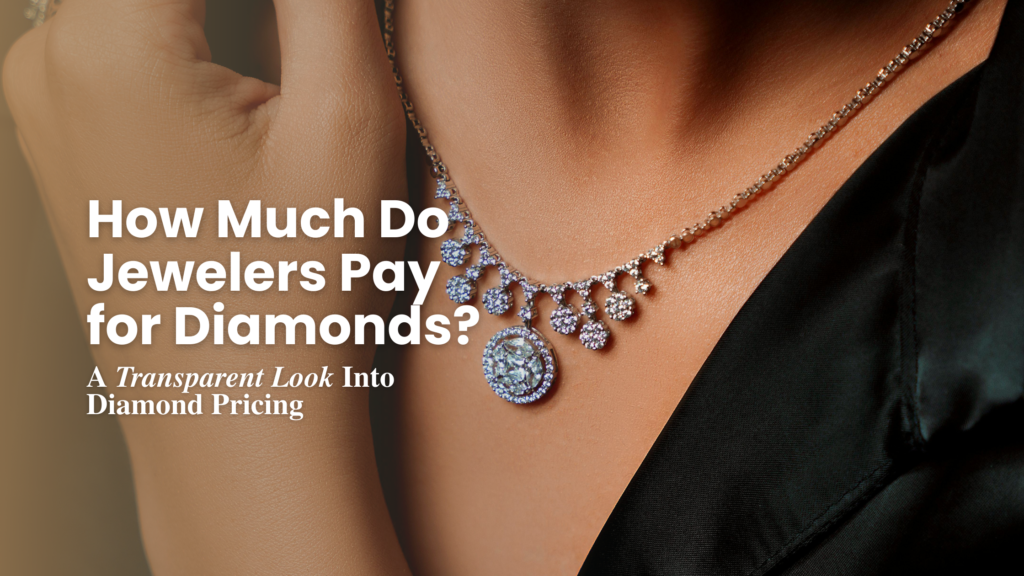
When you see a diamond engagement ring priced at $8,000, you might find yourself wondering, “How much did the jeweler actually pay for that diamond?”
It’s a fair question, and the answer isn’t as simple as you might think. Behind every glittering stone is a series of decisions about sourcing, quality, certification, and business strategy that determine how much it costs the jeweler and how much it sells for.
In this article, we’ll break down how jewelers source their diamonds, what factors influence wholesale pricing, and how retail markups work. Whether you’re in the jewelry business or just diamond-curious, you’ll walk away with a better understanding of what goes into diamond pricing.
Where Do Jewelers Buy Their Diamonds?
Most jewelers don’t buy diamonds one at a time from a single supplier. Instead, they work with a network of wholesalers, manufacturers, and dealers, many of whom operate internationally.
Common sourcing channels include:
- Wholesale diamond dealers
- Diamond trade shows
- Direct relationships with cutters and suppliers
- Estate sales or secondhand channels
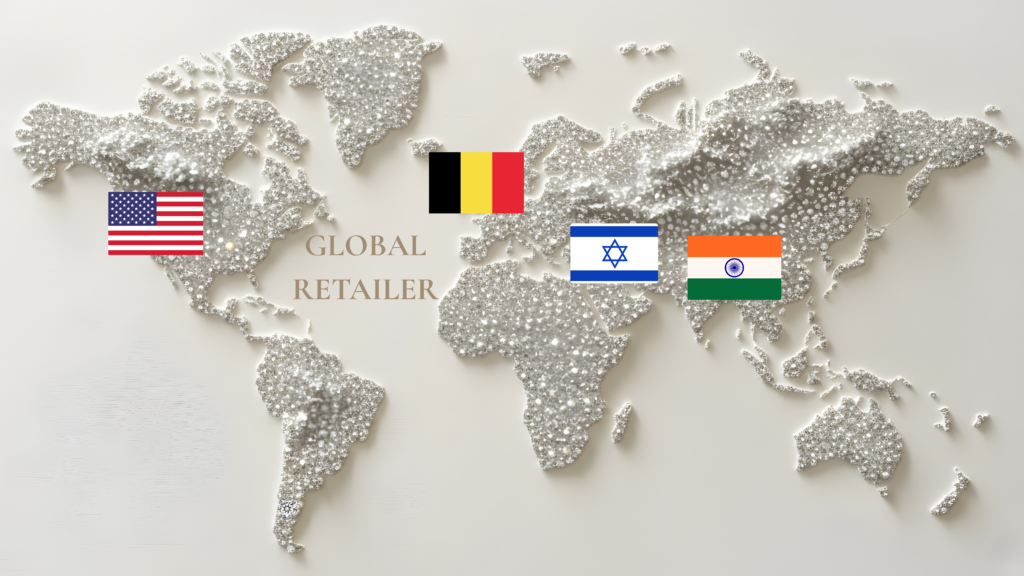
Major sourcing hubs include places like Antwerp, Mumbai, Tel Aviv, and New York. A jeweler’s relationships and buying volume can also influence the prices they pay. Jewelers who buy in bulk or have long-standing vendor relationships often get better deals than those purchasing smaller quantities or rare stones on demand.
What Impacts the Wholesale Cost of a Diamond?
There’s no single price tag on a diamond. Wholesale pricing is affected by a combination of quality factors and market conditions.
The core pricing factors are known as the 4Cs:
- Carat weight
- Cut quality
- Clarity
- Color grade
Other important variables include:
- Certification: Diamonds graded by GIA or AGS often command higher prices than non-certified stones
- Fluorescence: Some buyers avoid diamonds with strong fluorescence, which can lower price even if the diamond is visually appealing
- Shape: Rounds are often priced higher than fancy shapes due to demand and cutting loss
- Origin: Lab-grown diamonds typically cost significantly less than natural ones
So while two diamonds might look identical to the naked eye, subtle differences in grade and certification can mean thousands of dollars in price difference.
How Much Do Jewelers Actually Pay for Diamonds?
Let’s answer the big question. On average, a jeweler might pay:
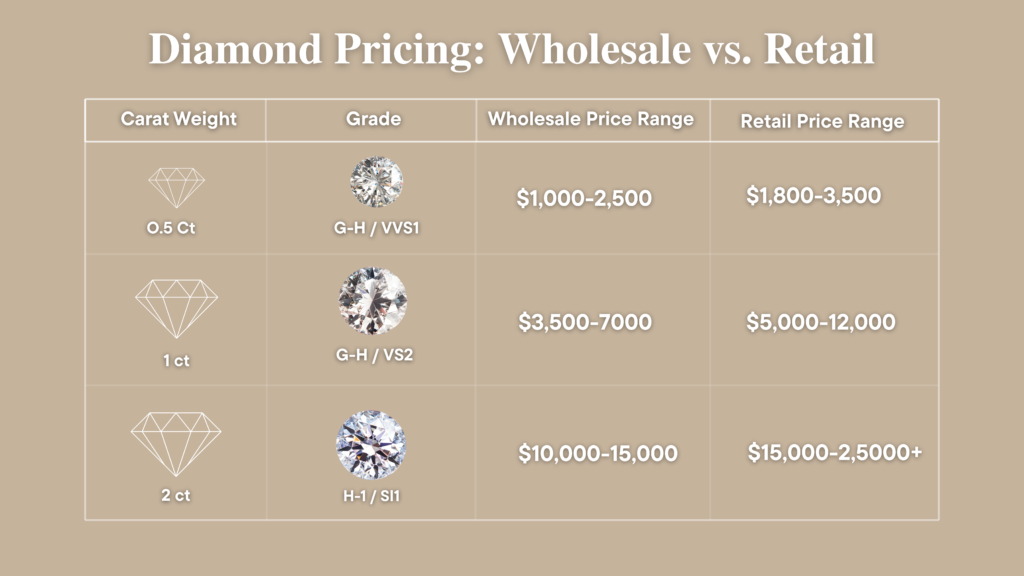
- $2,500 to $5,000 for a well-cut, 1-carat GIA-certified round diamond with good color and clarity
- $1,000 to $2,500 for a 0.50-carat stone with similar quality
- $5,000 to $10,000 or more for 2-carat stones, depending on grade and certification
These are broad ranges. Prices fluctuate based on supplier, market demand, and whether the jeweler is buying natural or lab-grown diamonds. Wholesale diamond price lists, such as the Rapaport Price List, are often used as a baseline, but actual transactions usually happen below that benchmark depending on negotiation.
Why the Retail Price Is Higher Than the Wholesale Cost
The retail price includes more than just the cost of the diamond. When you buy a finished piece of jewelry, you’re also paying for:
- Labor and craftsmanship to design and set the stone
- Business overhead including rent, staff, insurance, and display materials
- Aftercare services like resizing, cleaning, and warranty support
- Marketing and branding that position the piece as part of a luxury experience
In short, the final price reflects the entire experience, not just the raw materials. For many clients, that experience is part of the value.
What Is a Typical Diamond Markup for Jewelers?
Markup on diamonds can vary widely.
Some high-volume retailers use lower markups to stay competitive, while luxury boutiques may use higher multipliers to reflect the exclusivity of their brand and service. On average, retail markups for loose diamonds range between 20 to 100 percent, depending on factors like:
- Stone rarity
- Store location
- Client base
- Branding and presentation
Keep in mind, too, that jewelers often make more profit on the setting and design than on the diamond itself.

How Jewelers Maximize Profit Without Overpricing
Successful jewelers use a mix of strategies to grow revenue and maintain healthy margins, including:
- Bundling diamonds with custom settings for more complete sales
- Offering lifetime service plans that increase brand loyalty
- Using financing and layaway to increase conversion rates
- Upselling complementary items like wedding bands or jewelry insurance
They also rely on trust. Transparency about sourcing, pricing, and certifications builds credibility with clients, which leads to more referrals and long-term relationships.
How ARKTOP Helps Jewelers Build Trust and Increase Sales
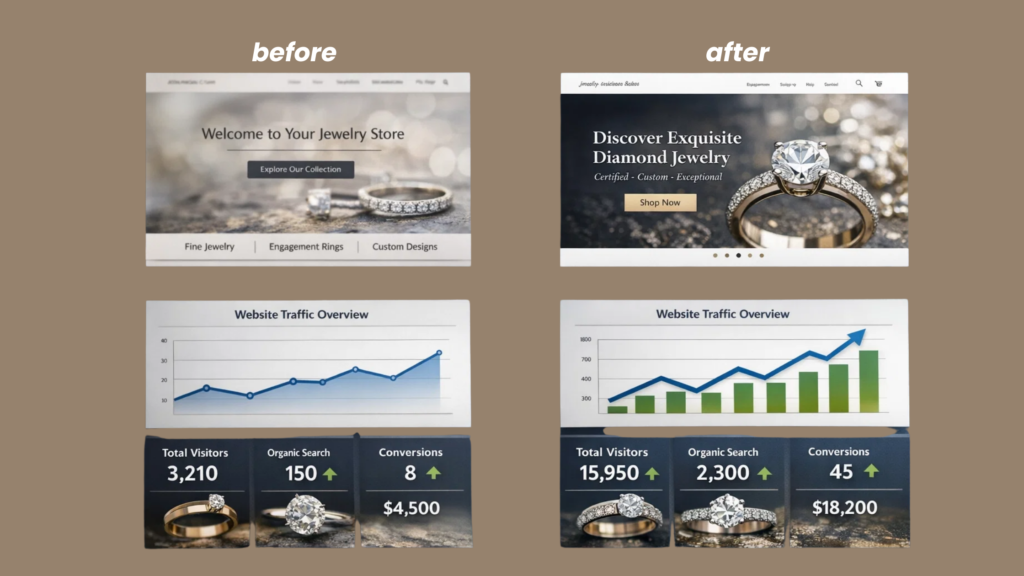
At ARKTOP, we work with jewelers who want to grow without sacrificing integrity. Our digital marketing strategies help you:
- Educate clients with SEO-rich blog content that answers questions like this one
- Improve Google search visibility so clients find your store first
- Build branded ecommerce experiences that reflect your luxury service
- Use targeted ads to reach high-intent diamond buyers in your area
If your goal is to increase leads, conversions, and average transaction value, we’re here to help make that happen.
Final Thoughts: Knowing the Cost Helps You Understand the Value
So, how much do jewelers pay for diamonds? It depends.
Quality, certification, sourcing, and relationship with the supplier all play a role. Retail pricing reflects much more than the stone. It includes craftsmanship, experience, and business sustainability.
For jewelers, understanding the pricing model is key to protecting margins and offering real value. For customers, learning about the process builds appreciation and trust.