

When a customer walks into your store and asks, “Is this diamond certified?” they’re not just asking about paperwork; they’re asking whether they can trust you. In the modern market, providing a clear comparison of American Gem Society vs GIA certification is often the key to building that trust. The answer you give, and the certificate behind the stone, can make or break the sale.
For jewelers navigating today’s increasingly educated buying public, understanding the nuances of these two powerhouses is no longer optional background knowledgeit’s a front-line business decision. Customers research before they buy, and in 2026, many of them already know these names before they walk through your door.
This guide breaks down both organizations clearly and honestly, so you can position your inventory with confidence, answer customer questions with authority, and make sourcing decisions that support your bottom line.
What Is the GIA and Why Does It Dominate the Market?
The Gemological Institute of America, commonly known as GIA, was founded in 1931 and is widely regarded as the organization that created modern diamond grading standards. The 4Cs (cut, color, clarity, and carat weight) as we know them today originated with GIA. That foundational role has given the organization an enormous head start in market recognition, and it shows.
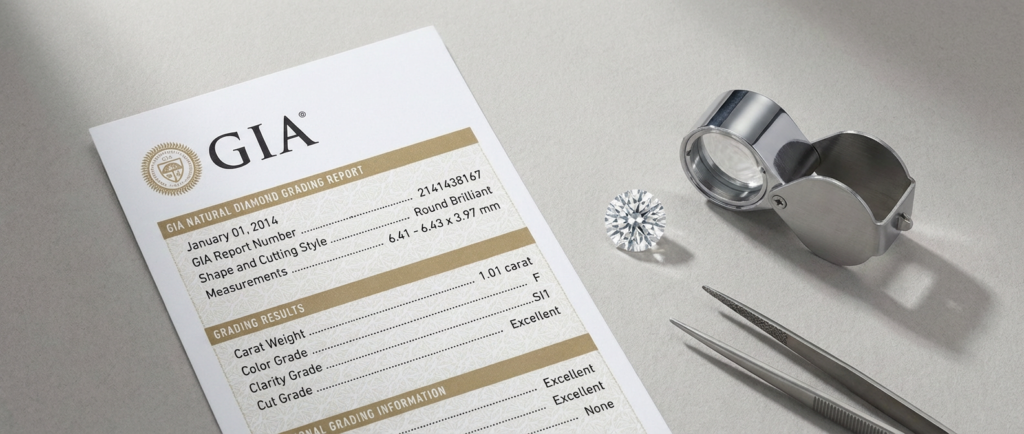
GIA-graded diamonds are the most widely traded certified stones in the world. When a diamond carries a GIA report, buyers, sellers, and lenders across every market tier recognize it immediately. For jewelers, that recognition translates directly into customer confidence and easier sales conversations.
The GIA grading report is detailed and consistent. It includes a plotted clarity diagram, a full cut grade for round brilliant diamonds, color and clarity grades, fluorescence notes, and proportions data. For high-value stones, that level of documentation gives buyers and insurers exactly what they need.
What Is the American Gem Society and Who Is It For?
The American Gem Society was founded in 1934, just three years after GIA, by Robert M. Shipley, who also founded GIA. That shared origin matters because it reflects how closely the two organizations are philosophically aligned on grading rigor and ethics. Where they differ is in focus and membership structure.
AGS is a membership-based trade organization for jewelry professionals who meet ongoing ethical and educational standards. Its grading laboratory, the AGS Laboratories, is known for its proprietary cut grading system, which many experts consider the most scientifically precise in the industry. AGS grades cut on a 0 to 10 scale, with 0 being the ideal, and its angular spectrum evaluation tool (ASET) imaging reveals how a diamond handles light in ways that standard grading reports do not show.
For jewelers who specialize in ideal-cut diamonds or who cater to technically sophisticated buyers, an AGS certification can be a meaningful differentiator. The customer who has done their research and knows what an ASET image means is exactly the buyer who will appreciate seeing one.
American Gem Society vs GIA: A Side-by-Side Breakdown
Both laboratories are respected globally, but they serve slightly different needs. Here is how they compare on the factors that matter most to jewelry retailers.
| Factor | GIA | American Gem Society (AGS) |
| Founded | 1931 | 1934 |
| Market Recognition | Universal, recognized by buyers worldwide | Highly respected in trade and among educated consumers |
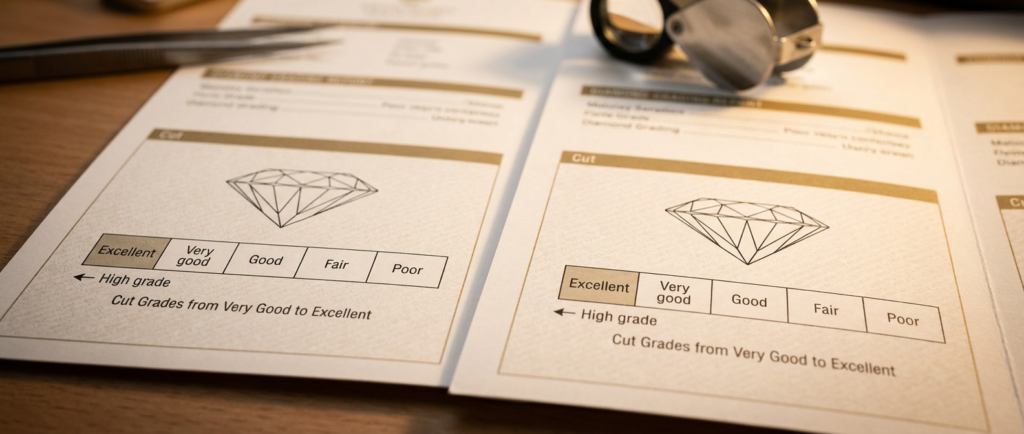
| Cut Grading System | Excellent/Very Good/Good scale | 0 to 10 scale (0 = Ideal), considered more precise |
| Light Performance Imaging | Not included | ASET imaging available, shows real-world light behavior |
| Grading Consistency | Strong, backed by high volume | Strong, with fewer stones graded per year |
| Resale and Financing | Widely accepted by appraisers, lenders, and auction houses | Respected but less universally recognized outside specialty markets |
| Best For | Broad customer base, first-time buyers, international sales | Ideal-cut specialists, technically sophisticated buyers |
| Certification Cost | Varies by carat weight, generally accessible | Comparable to GIA |
| Membership Component | No membership required | AGS is a trade membership organization with ethical standards |
For a deeper look at how certification affects your sourcing decisions and cost structure, explore our guides on where jewelers get their diamonds and how much jewelers pay for diamonds.
How Certification Fits Into Your Marketing Strategy
Certification is not just a grading document. It’s a marketing asset. The jewelers who understand this use their certified inventory to build trust, justify price points, and reduce friction in the sales process.
When customers can see a third-party grading report from a recognized laboratory, the conversation shifts. You spend less time defending your pricing and more time helping them find the right stone. That’s a better experience for the buyer and a more efficient use of your team’s time.
From a digital marketing perspective, featuring certified inventory prominently on your website and product listings gives you credible, specific language to work with. “GIA-certified round brilliant, 1.2 carats, VS1 clarity, excellent cut” is far more compelling to a search-ready buyer than “beautiful diamond ring.” This specificity supports your jewelry marketing efforts and gives your digital marketing for jewelry campaigns something concrete to anchor around.
If you’re investing in SEO for your jewelry store, certified inventory content also gives you a rich source of keyword-specific product pages and blog topics that attract buyers who already know what they want.
Which Certification Should Your Store Prioritize?
The honest answer is: it depends on your customers, your positioning, and your inventory mix. Here is a practical framework.
Choose GIA as your primary certification if:
- Your customer base includes first-time buyers or shoppers who are not deeply familiar with gemological grading
- You sell across a wide range of price points and need broad market acceptance
- A significant portion of your business involves resale, estate pieces, or diamond financing
- You operate in international markets or sell online to a geographically diverse audience
Prioritize AGS if:
- Your store specializes in ideal-cut or hearts and arrows diamonds
- You serve technically sophisticated buyers who research cut performance before purchasing
- Cut quality is a central pillar of your brand identity and you want documentation that supports that claim
- You are a member of the American Gem Society and want to align your sourcing with your professional affiliation
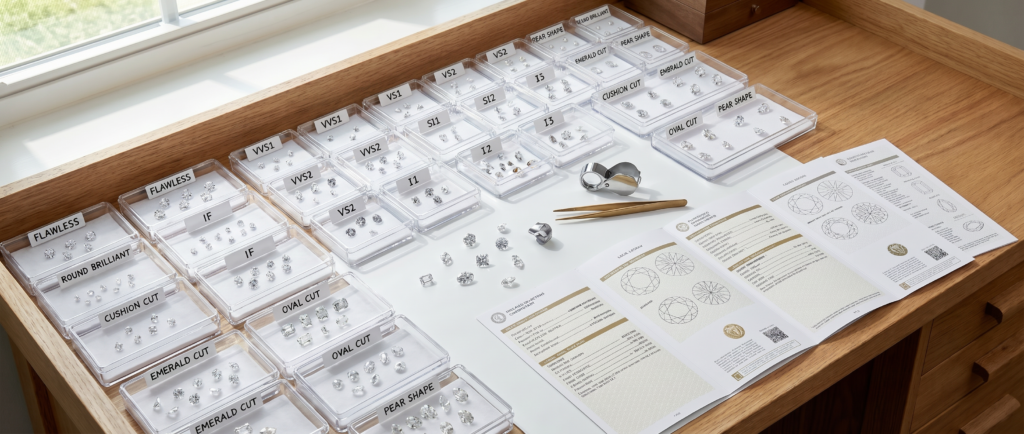
Many successful jewelers carry both. Stocking a mix of GIA and AGS certified stones gives you the flexibility to serve different buyer profiles without compromising on quality or credibility.
Conclusion
The debate between the American Gem Society and GIA is not really a debate at all. Both organizations represent the gold standard of diamond grading, and both have earned their reputations through decades of consistent, rigorous work. The real question is which certification best serves your customers and supports the story your store is trying to tell.
If you’re building a business around trust, transparency, and informed buyers, certified inventory is one of the smartest investments you can make. And if you want to make sure the right customers are finding your store in the first place, that’s where a strong jewelry marketing services strategy makes all the difference. Ready to build a digital presence that reflects the quality of your inventory? Reach out to ARKTOP and let’s start the conversation.
Frequently Asked Questions
Is GIA or AGS certification better for resale value?
GIA certification is generally more advantageous for resale because it carries broader recognition among appraisers, lenders, estate buyers, and auction houses worldwide. AGS is highly respected, but GIA’s universal familiarity tends to support more consistent resale pricing across different markets.
Do customers care which lab certified their diamond?
Educated buyers often do, especially those who have researched cut quality or watched gemology content online. First-time buyers are more likely to recognize the GIA name but may not know AGS. As a jeweler, your job is to explain both clearly and help the customer understand what the certification means for the specific stone they are considering.
Can a diamond be certified by both GIA and AGS?
A diamond can be submitted to both laboratories, but it is uncommon in practice because of the additional time and cost involved. Most jewelers choose one lab per stone based on the type of buyer they expect to serve and the stone’s cut characteristics.
What is the AGS 0 cut grade, and why does it matter?
The AGS 0 cut grade, often called an “Ideal” grade, represents the highest level of cut performance in the AGS system. It means the diamond has been evaluated and found to reflect light with exceptional precision. For buyers focused on brilliance and fire, this grade is a meaningful signal. AGS’s ASET imaging provides visual evidence of that light performance.
Does certification affect diamond pricing?
Yes. Certified diamonds, particularly those graded by GIA or AGS, typically command higher prices than uncertified stones of comparable quality because the certification provides independent verification of the stone’s characteristics. You can explore more about how diamond costs work in our guide on how much jewelers pay for diamonds.
Should I display certification information on my jewelry store website?
Absolutely. Featuring certification details in product listings builds trust with online shoppers, supports your SEO with specific, searchable language, and reduces pre-purchase anxiety. Buyers who can see grading details before visiting your store are more likely to arrive ready to buy.
More from the blog
Your brand deserves a partner fluent in luxury.
A 30 minute strategy call. We come with a first read of your site, search, and ads.