
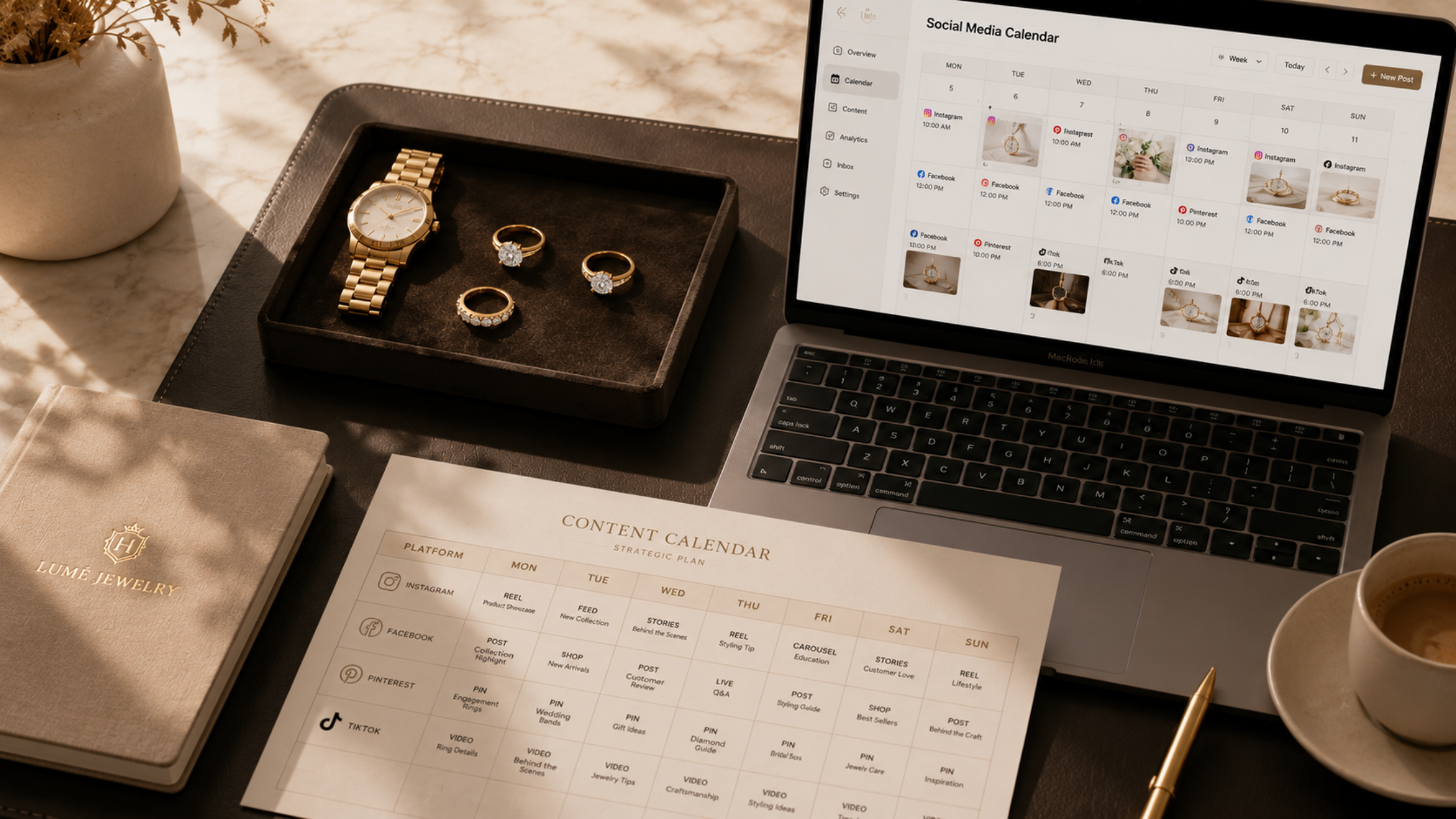
You spent years perfecting your craftsmanship, your in-store experience, and the quiet confidence that defines your brand. Then someone tells you to “just post on Facebook,” as if a single channel could carry the weight of a luxury jewelry business.
The truth is more nuanced. Facebook social sites still matter, but they are only one room in a much larger house. Today’s jewelry buyer discovers, researches, and falls in love with pieces across a handful of platforms, often before they ever walk through your door or land on your product page.
By the end of this guide, you will know which social platforms deserve your attention, what each one does well for jewelers, and how to build a presence that feels as considered as the pieces you sell. Let’s start with the platform everyone already knows, then move well beyond it.
What “Facebook Social Sites” Really Means for Jewelers
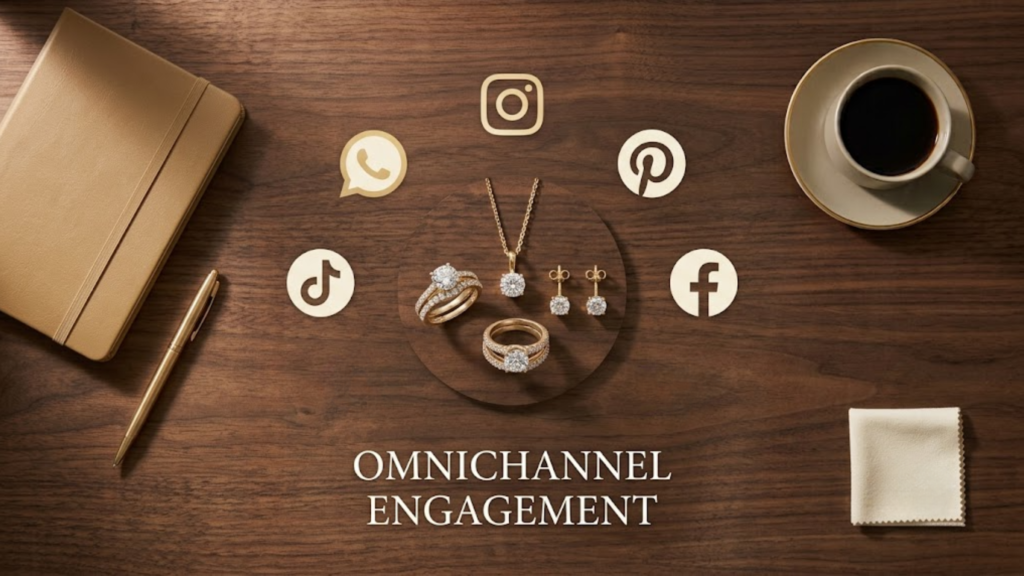
When people say facebook social sites, they often mean more than the blue app on their phone. The phrase has become shorthand for the wider world of social platforms where brands build an audience and sell directly.
For a jeweler, that distinction matters. You are not choosing between Facebook and everything else. You are deciding how to spread your presence intelligently across the channels where your buyers already spend their time.
Here is the mindset shift worth making:
● Facebook is a hub, not the whole map. It remains powerful for community, reviews, and paid reach, but it rarely works alone.
● Each platform plays a role. One drives discovery, another nurtures consideration, another closes the sale.
● Your audience is fragmented by intent. A bride researching engagement rings behaves differently than a collector tracking a limited release.
A strong social media strategy for business growth treats these platforms as a connected system, not a checklist. Once you see them that way, the question stops being “Which one?” and becomes “How do they work together?”
Why Facebook and Meta Still Deserve Your Attention
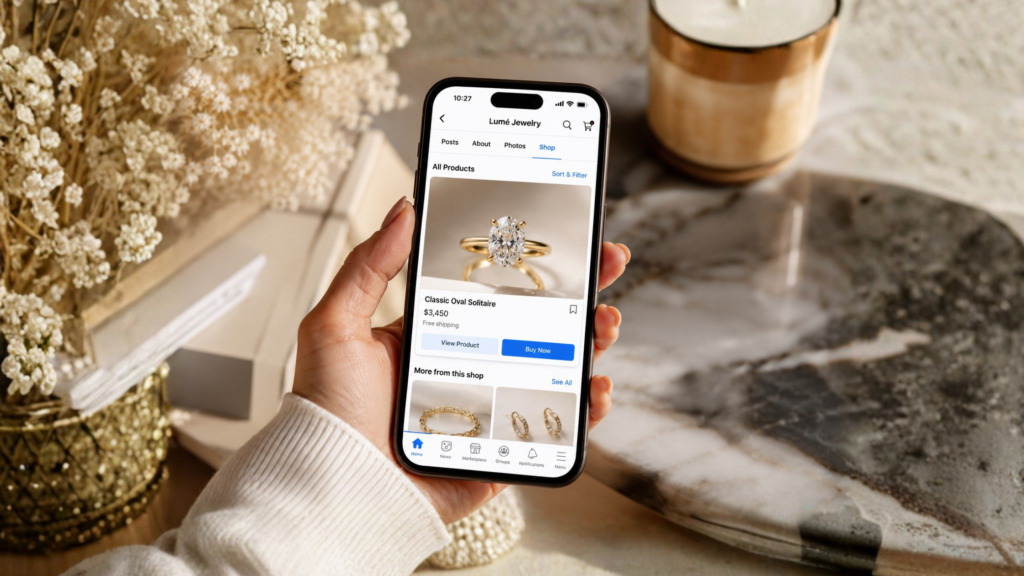
Facebook gets dismissed as dated, usually by people who do not run a retail business. For jewelers, it remains one of the most reliable platforms for trust, reach, and direct selling.
Facebook is where many of your buyers, particularly those shopping for milestone purchases, still gather. It is also home to the strongest review ecosystem of any social channel, and reviews carry real weight for high-consideration purchases like fine jewelry.
Here is what Facebook does well for jewelry brands:
● Community building through groups, events, and a business page that doubles as a trust signal
● Social proof through reviews and recommendations that reassure first-time buyers
● Facebook Shops that let customers browse and buy without leaving the platform
● Precise paid targeting that reaches buyers by life event, interest, and location
That last point is where Facebook outperforms nearly every other channel. A well-structured ad account can put your engagement collection in front of someone who recently got engaged, in your metro area, who follows luxury brands. Getting that right takes expertise, which is why many jewelers lean on professional Facebook ads management to make the budget work harder.
Because Facebook and Instagram share the same ad engine, the smartest jewelers treat them as one connected effort. A coordinated approach to Facebook and Instagram marketing lets you build once and reach across both audiences with consistent messaging.
Instagram: Where Jewelry Sells Itself
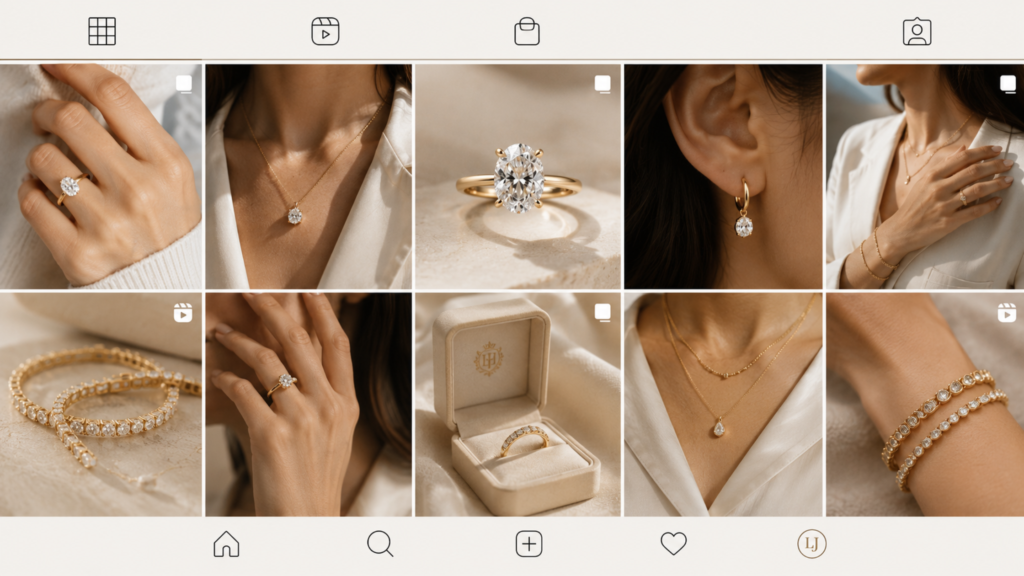
If Facebook is the hub, Instagram is the showroom. Few products are as visually suited to the platform as fine jewelry, and few audiences are as ready to be moved by a beautiful image.
Selling jewelry on Instagram works because the platform rewards exactly what you already do well: craftsmanship, detail, and storytelling. The lighting on a diamond, the texture of a hand-engraved band, the way a piece catches movement — all of it renders beautifully here.
To make Instagram work for your brand, focus on:
● High-quality visuals that show pieces in detail and on real people
● Reels that capture motion, sparkle, and the human moments behind a purchase
● Shopping tags that turn any post into a direct path to checkout
● Stories and Highlights that organize collections, FAQs, and customer moments
Instagram also shortens the distance between admiration and action. A shopper can spot a piece, tap a tag, and reach your product page in seconds. Pairing that experience with a smooth online selling process is what turns casual browsers into buyers.
Pinterest: The Long Game of Visual Discovery
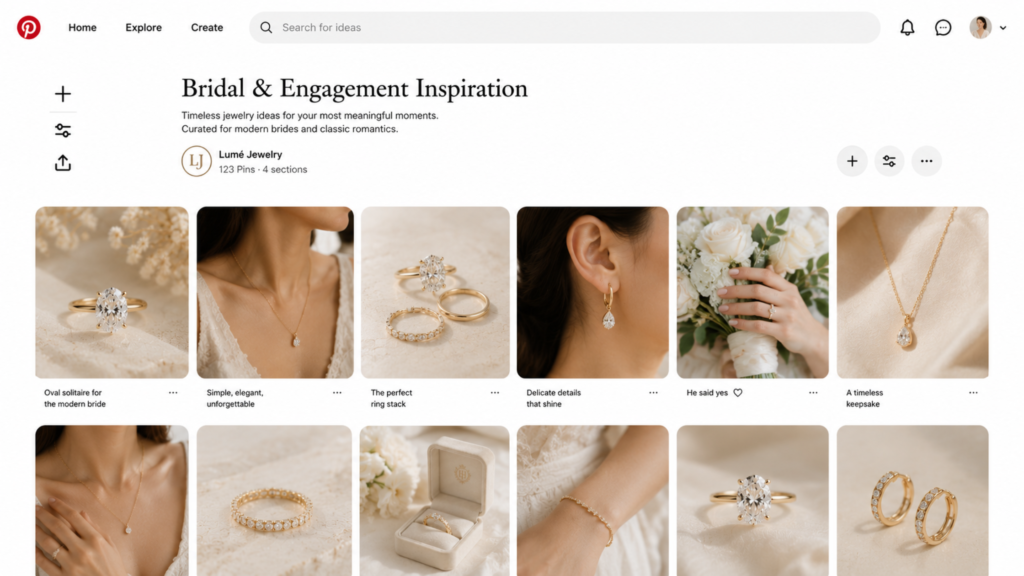
Pinterest rarely gets the attention it deserves from jewelers, and that is exactly why it represents an opportunity. People do not scroll Pinterest to be entertained. They use it to plan, save, and decide.
For jewelry brands, that intent is rare, because you are reaching people who are already planning to buy. Someone building a wedding board or saving anniversary ideas is signaling a future purchase. Pinterest content also has a long shelf life, continuing to drive traffic months after you post it, unlike the fast-moving feeds elsewhere.
Pinterest works especially well for:
● Bridal and engagement content that buyers save while planning
● Gift guides organized by occasion, recipient, or budget
● Styling inspiration that positions your pieces within a fuller look
● Evergreen traffic that keeps sending visitors to your site over time
The platform rewards patience and consistency rather than constant activity. For luxury brands that think in seasons and milestones, that rhythm fits naturally.
TikTok and the New Face of Social Commerce

TikTok makes many luxury jewelers nervous, and that caution is understandable. The platform looks fast, loud, and far from the refined world of fine jewelry. Used well, though, it has become a serious driver of discovery and social commerce for luxury brands.
TikTok jewelry marketing is not about chasing trends or abandoning your brand voice. It is about showing the parts of your business that rarely get seen: the bench work, the sourcing, the story behind a custom piece. That kind of behind-the-scenes content performs remarkably well and builds genuine connection.
Here is how jewelers can approach TikTok without compromising their image:
● Lead with craft. Show the making, the detail, and the human hands behind the work.
● Educate. Explain the four Cs, metal choices, or how to care for fine pieces.
● Stay true to your tone. Polished and personal beats loud and gimmicky.
● Use TikTok Shop selectively for accessible price points that suit impulse discovery.
The brands that win here are the ones that bring genuine substance, not those that simply shout the loudest.
Building One Strategy Across Every Platform
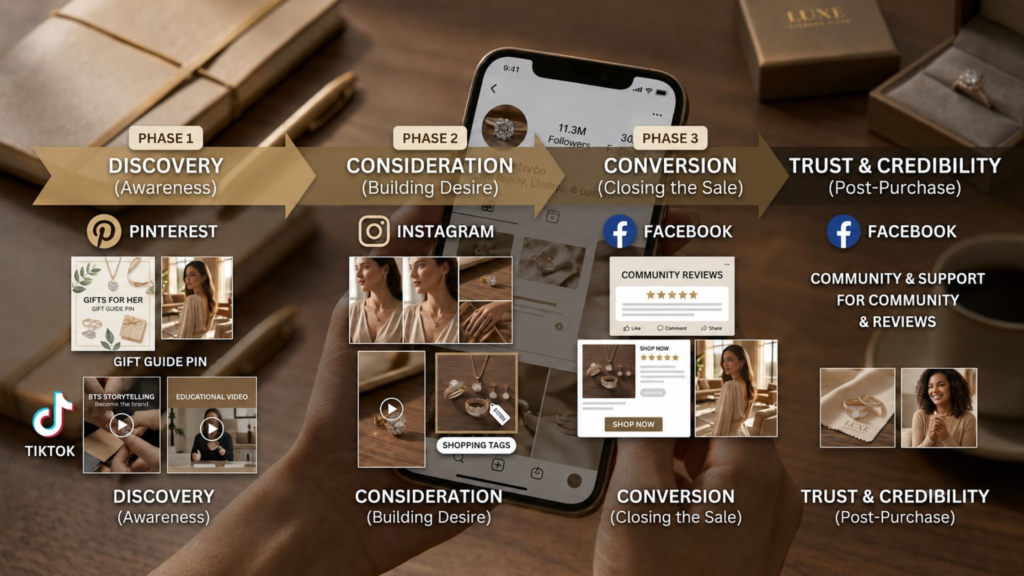
Treating each platform as a separate project is the fastest way to burn out and dilute your brand. The goal is one cohesive jewelry brand social media strategy that lets each channel do what it does best.
Think of your platforms in terms of the buyer’s path:
● Discovery: Pinterest and TikTok introduce your brand to new audiences
● Consideration: Instagram showcases pieces and builds desire
● Conversion and trust: Facebook closes the sale and reinforces credibility
When these channels share one visual identity and message, each reinforces the others, so a shopper who discovers you on Pinterest recognizes you instantly on Instagram. That coordination is where good social media best practices for jewelry retailers turn into real revenue.
Here is a quick comparison to help you decide where to focus:
| Platform | Best For | Buyer Stage | Content Style |
| Trust, reviews, paid reach | Conversion | Community posts, Shops, ads | |
| Visual selling, engagement | Consideration | Reels, shopping tags, Stories | |
| Long-term discovery | Early planning | Boards, gift guides, evergreen pins | |
| TikTok | Brand discovery, storytelling | Awareness | Behind-the-scenes, education |
How ARKTOP Helps Jewelers Sell Across Social
Managing four platforms well, on top of running a jewelry business, is a genuine challenge. That is the gap a specialized team fills.
ARKTOP helps luxury jewelers build and run social strategies that feel intentional rather than scattered. From content planning to luxury social media marketing and paid campaigns, the focus stays on attracting the right buyers and protecting your brand’s premium positioning.
As a team built around jewelry marketing services, ARKTOP understands the unique rhythm of selling fine pieces: the longer consideration cycles, the importance of trust, and the role beautiful imagery plays in every decision. That specialization is what turns a busy social presence into a selling engine.
Sell Where Your Buyers Already Are
Facebook still earns its place, but it was never meant to carry your brand alone. Your buyers are discovering, dreaming, and deciding across Instagram, Pinterest, and TikTok too, often in that order. Meeting them on each platform, with content suited to where they are in their journey, is how modern jewelers grow.
Ready to turn a scattered social presence into a coordinated selling engine? Schedule a consultation with ARKTOP today and let’s map the platforms that will move your business forward.
Frequently Asked Questions
What are the best social media platforms for jewelry brands?
The strongest mix for most jewelers includes Facebook, Instagram, Pinterest, and TikTok. Facebook supports trust and paid reach, Instagram excels at visual selling, Pinterest drives long-term discovery, and TikTok builds brand awareness through storytelling. Used together, they cover the full buyer journey from first glance to purchase.
Is Facebook still worth it for selling jewelry?
Yes. Facebook remains valuable for jewelers thanks to its review ecosystem, community features, Facebook Shops, and precise paid targeting. It works especially well for milestone purchases where buyers want reassurance and social proof before committing.
How do jewelers sell directly on Instagram?
Jewelers sell on Instagram by using shopping tags that link posts directly to product pages, alongside Reels and Stories that showcase pieces in detail. High-quality visuals and consistent storytelling shorten the distance between a buyer admiring a piece and reaching checkout.
Should luxury jewelry brands be on TikTok?
Many should, as long as the approach stays true to the brand. TikTok rewards behind-the-scenes craftsmanship, education, and authentic storytelling rather than loud trends. For luxury jewelers, it is a powerful discovery channel when handled with the same care as the rest of the brand.
How many social platforms should a jewelry brand manage?
Most jewelers do best focusing on three to four platforms rather than trying to be everywhere. The goal is consistent, high-quality presence on the channels where your buyers actually spend time, supported by one connected strategy rather than scattered effort.
More from the blog
Your brand deserves a partner fluent in luxury.
A 30 minute strategy call. We come with a first read of your site, search, and ads.