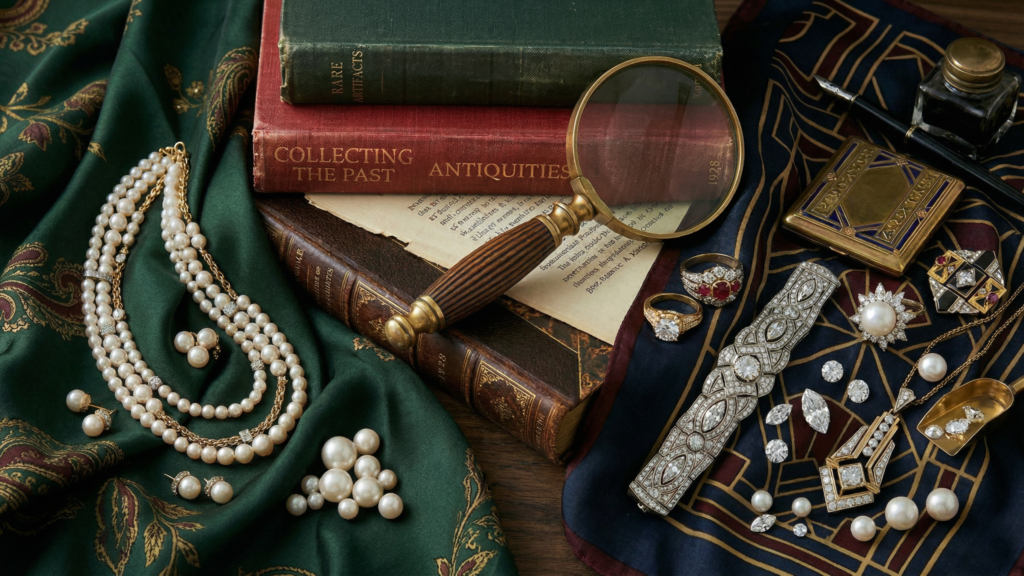
Vintage jewelry is more than an aesthetic trend; it’s a heritage-driven market built on history, craftsmanship, and rarity. If you’re wondering how to start a vintage jewelry business, you’re entering a niche where storytelling, sourcing expertise, and digital visibility matter just as much as the jewelry itself.
Unlike modern fashion jewelry, vintage pieces carry emotional and historical value. Buyers are not just purchasing accessories, they’re investing in legacy.
This guide walks you through how to launch, position, and scale a vintage jewelry business strategically.
Why Vintage Jewelry Is a Profitable Niche
Before diving into logistics, understand the opportunity.
Vintage jewelry offers:
- Higher perceived value due to rarity
- Strong resale margins
- Collector-driven repeat customers
- Evergreen demand for certain eras (Art Deco, Victorian, Retro)
Because inventory is limited and often one-of-a-kind, scarcity drives urgency and a powerful psychological sales trigger.
However, profitability depends on expertise, authentication, and positioning.
Step 1: Define Your Vintage Focus
Not all vintage jewelry businesses succeed because many lack focus.
You must define:
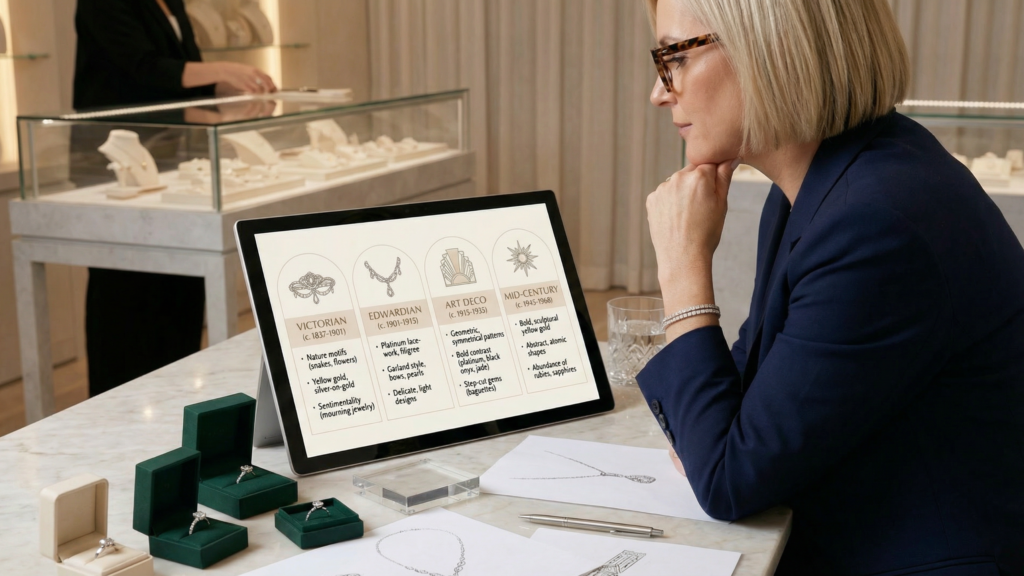
- Which eras you specialize in (Art Deco, Edwardian, Mid-Century, etc.)
- Whether you sell fine vintage jewelry or costume pieces
- Your average price range
- Whether you target collectors, bridal buyers, or fashion enthusiasts
Niche clarity improves your ability to rank organically for long-tail keywords which supports your broader SEO for jewelers strategy.
Instead of competing for “vintage rings,” you can rank for “Art Deco platinum engagement rings” or “Victorian sapphire brooch.”
Specificity drives both authority and discoverability.
Visual Suggestion: A clean, high-end infographic showing the major jewelry eras (Victorian, Edwardian, Art Deco, Mid-Century) with 2-3 defining characteristics for each.
Step 2: Learn Authentication and Valuation
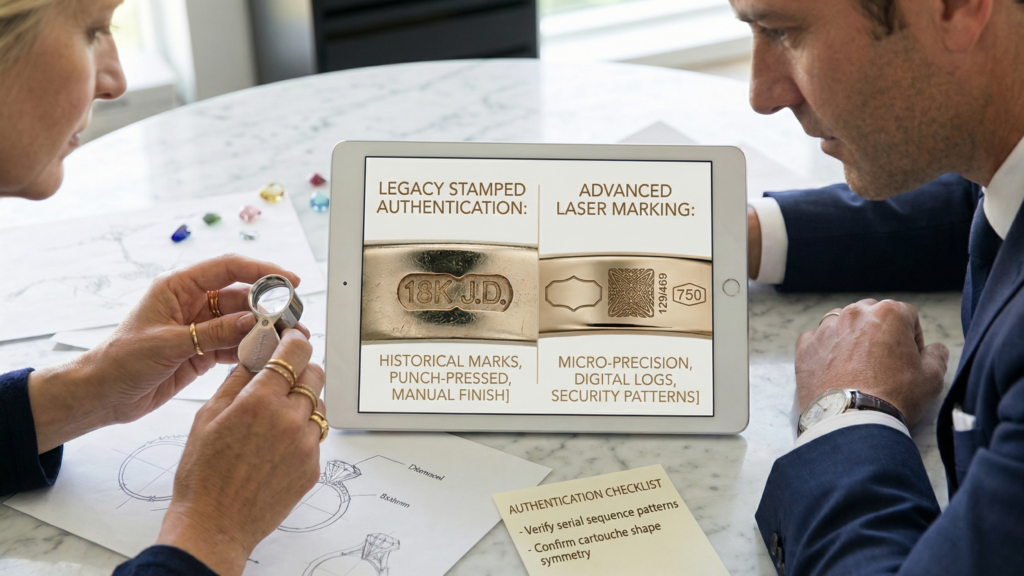
Vintage jewelry buyers demand trust.
You must understand:
- Hallmarks and maker’s marks
- Gemstone identification
- Metal purity standards
- Restoration versus original condition
- Market pricing benchmarks
Without authentication expertise, you risk damaging brand credibility.
Many successful vintage businesses build authority by publishing educational content which supports both trust and organic search tactics.
For example, detailed guides on “How to identify authentic Art Deco jewelry” can drive high-intent traffic.
Step 3: Establish Reliable Sourcing Channels
Your inventory pipeline determines your ability to scale.
Common sourcing channels include:
- Estate sales
- Auctions
- Antique dealers
- Trade shows
- Private collectors
Because inventory is unique, relationships matter. Building connections within the antique community gives you access to rare pieces competitors may never see.
This is where long-term strategy matters more than short-term volume.
If you’re building your business from scratch, creating a formal jewelry business plan helps forecast sourcing budgets and expected margins.
Step 4: Price for Rarity, Not Just Materials
Vintage pricing isn’t solely based on gold weight or gemstone size.
It reflects:
- Historical significance
- Brand or designer name
- Condition
- Era popularity
- Scarcity
For example, signed vintage pieces from renowned houses command premium pricing much like Rolex timepieces retain value due to heritage and brand recognition.
Understanding how prestige influences pricing helps you position your inventory strategically.
Avoid competing purely on price. Vintage is about uniqueness, not discounting.
Step 5: Build a Search-Optimized Website
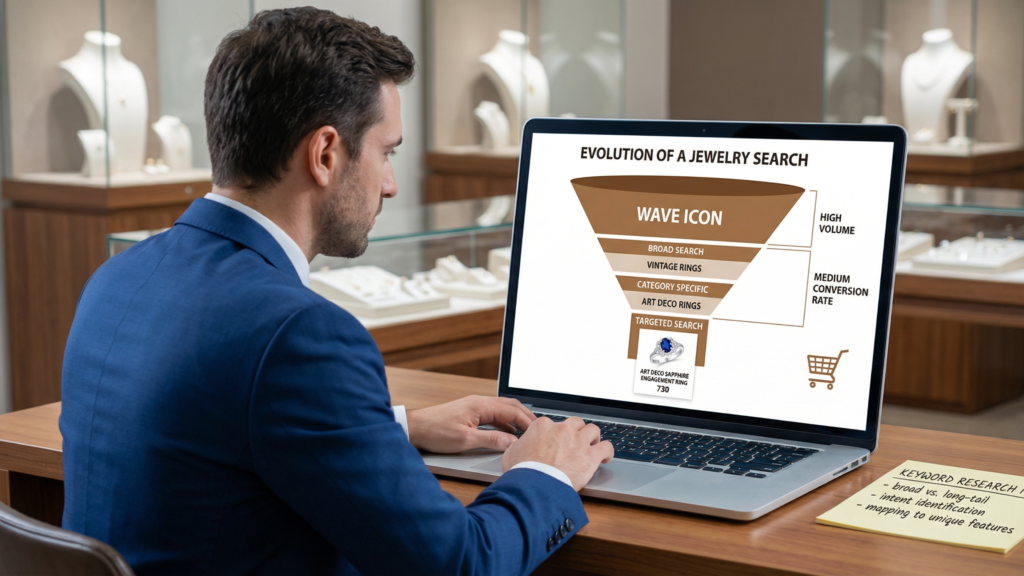
Most competitors focus on collecting. Few focus on digital positioning.
If you want sustainable growth, your website must be optimized for:
- Structured product descriptions
- Era-based category pages
- Location-based keywords
- Technical on-page SEO
- Fast page speed
Because many vintage buyers research extensively before purchasing, strong content for SEO plays a critical role.
Examples of valuable content:
- “How to tell if vintage jewelry is real
- “Best vintage engagement ring styles”
- “Vintage vs antique jewelry: What’s the difference?”
This approach positions you as an authority rather than just a reseller.
Step 6: Use Local and High-Intent SEO
If you operate physically or by appointment, local search visibility is crucial.
Implement:
- Google Business Profile optimization
- Location-based landing pages
- Google Maps ranking strategies
- Structured data markup
Local visibility is especially important for high-ticket items, where buyers often prefer in-person consultations.
Combining local SEO strategies with high-intent organic targeting builds predictable lead flow.
Step 7: Integrate Paid Search Strategically
SEO builds long-term equity. Paid advertising accelerates growth.
Vintage jewelry responds well to:
- High-intent Google Ads campaigns
- Retargeting campaigns for collectors
- Bridal-focused search campaigns
- Seasonal demand pushes
A structured Google Ads strategy ensures you’re capturing buyers actively searching for rare pieces.
When executed correctly, paid campaigns complement your SEO foundation instead of replacing it.
Step 8: Establish Authority Through Storytelling
Vintage jewelry sells through narrative.
Each piece should include:
- Era description
- Historical context
- Design characteristics
- Condition notes
- Restoration transparency
Storytelling enhances perceived value and improves conversion rates.
Brands like Rolex demonstrate how legacy storytelling increases long-term brand equity. Vintage jewelry businesses can apply the same principle by emphasizing provenance and craftsmanship.
Authority shortens sales cycles.
Step 9: Focus on High-Ticket Conversion Optimization
Because vintage jewelry often carries higher price points, your website must support trust signals:
- Professional photography
- Detailed descriptions
- Certification documentation
- Secure checkoutClear return policies
Implementing conversion-focused UX supports your broader digital marketing strategy and increases appointment bookings.
Remember: buyers need reassurance when purchasing one-of-a-kind items online.
Common Mistakes When Starting a Vintage Jewelry Business
Avoid these pitfalls:
- Overbuying inventory without demand validation
- Neglecting authentication expertise
- Ignoring SEO and digital positioning
- Underpricing rare pieces
- Failing to document provenance
Vintage businesses reward patience and expertise.
Frequently Asked Questions
How much does it cost to start a vintage jewelry business?
Startup costs vary based on inventory quality. Entry-level operations may begin with a modest estate-sale budget, while fine vintage inventory requires higher capital investment.
Is vintage jewelry profitable?
Yes, when sourced correctly. Margins can be strong due to rarity and emotional value, especially for signed or era-specific pieces.
Do I need a physical store?
Not necessarily. Many successful vintage businesses operate online-first with appointment-based showings. A strong SEO foundation often drives qualified leads without storefront overhead.
How do I authenticate vintage jewelry?
Authentication involves understanding hallmarks, gemstone grading, metal testing, and historical design characteristics. Partnering with gemologists or certified appraisers strengthens credibility.
Building a Vintage Brand That Lasts
Starting a vintage jewelry business requires more than collecting beautiful pieces. It demands sourcing expertise, pricing intelligence, and a digital strategy designed to attract serious buyers.
With the right positioning, strong SEO execution, strategic paid advertising, and authority-driven content, you can build a vintage brand that commands trust and premium margins.
If you’re ready to position your vintage jewelry business for long-term search visibility and measurable growth, ARKTOP can help you align your SEO, paid media, and brand strategy into one cohesive system.
Schedule a consultation with ARKTOP today and build your vintage jewelry brand with precision.